How to handle sewage cleanup safely
Discover essential steps for safe sewage cleanup in Roswell. Protect your health and home with expert advice.
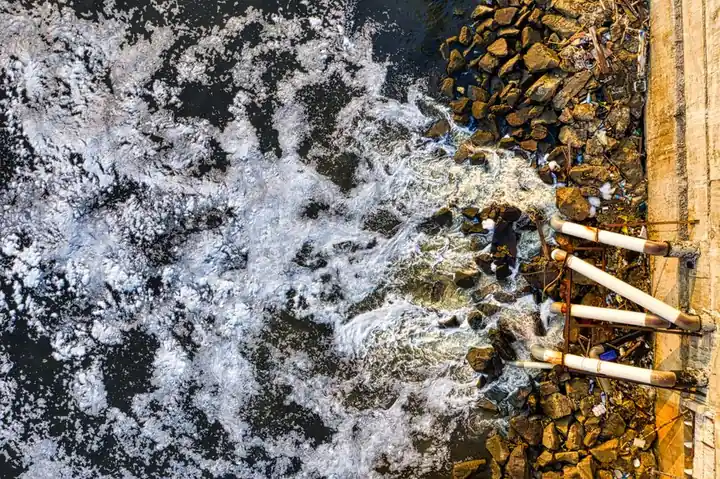
Sewage cleanup is a critical process that involves removing and sanitizing areas contaminated by sewage. Proper handling is essential to protect your health and property. In this article, we will cover the steps involved in safely cleaning up sewage, common mistakes to avoid, and when to call in professionals in Roswell, Georgia.
Understanding sewage cleanup is vital, particularly for homeowners in areas prone to flooding or plumbing issues. Sewage can carry harmful pathogens, making it essential to handle any cleanup with care.
What is sewage cleanup?
Sewage cleanup refers to the process of removing and sanitizing areas affected by wastewater, which may contain harmful bacteria and viruses. This process is necessary when sewage spills occur due to plumbing failures, flooding, or other emergencies.
Why is sewage cleanup important?
Effective sewage cleanup is crucial for maintaining a safe living environment. Contaminated areas can pose significant health risks, including infections and diseases caused by pathogens present in sewage. Additionally, untreated sewage can lead to structural damage in your home, resulting in costly repairs.
How to assess the situation
Before starting the cleanup process, evaluate the extent of the contamination. Look for:
- Visible sewage or wastewater
- Damaged flooring, carpets, or walls
- Odors indicating sewage presence
- Signs of mold growth
It's vital to wear protective gear, including gloves, masks, and waterproof boots, to minimize exposure to harmful substances. If the contamination is extensive, consider contacting a professional for sewage cleanup roswell GA.
Steps for safe sewage cleanup
Follow these steps to ensure a safe and effective sewage cleanup:
- Turn off utilities: Shut off electricity and gas to prevent accidents.
- Remove contaminated items: Dispose of any items that cannot be cleaned, such as carpets and upholstery.
- Contain the area: Use plastic sheeting to isolate the contaminated area from the rest of the home.
- Clean surfaces: Use a mixture of water and detergent to clean hard surfaces. For porous materials, consider professional mold remediation roswell GA to prevent mold growth.
- Disinfect: Apply a disinfectant solution to all cleaned surfaces to kill pathogens.
- Dry thoroughly: Use fans and dehumidifiers to dry the area completely, preventing mold growth.
After completing these steps, monitor the area for any signs of lingering odor or moisture, which may indicate the need for further action.
Common mistakes to avoid
Many homeowners make mistakes during sewage cleanup that can lead to health risks or further damage. Common errors include:
- Not wearing protective gear, increasing exposure to pathogens.
- Failing to properly disinfect surfaces, allowing bacteria to thrive.
- Ignoring hidden areas where sewage may have seeped, leading to ongoing issues.
- Delaying cleanup, which can result in more extensive damage and higher costs.
Being aware of these pitfalls can help you navigate the sewage cleanup process more effectively.
When to call a professional
Contact a professional for sewage cleanup if:
- The contamination is extensive or involves multiple rooms.
- You notice persistent odors or signs of mold after cleanup.
- You are unsure about the safety of the area.
- You lack the necessary equipment or protective gear.
Roswell Water Restoration offers expert water extraction services roswell GA and sewage cleanup to ensure your home is safe and sanitary.
Frequently Asked Questions
1. How long does sewage cleanup take? Cleanup duration varies based on the extent of the contamination, typically ranging from a few hours to several days.
2. What should I do if sewage backs up in my home? Immediately stop using water sources, contain the area, and call a professional for emergency assistance.
3. Can I clean sewage myself? While minor spills can be handled by homeowners, significant contamination should be addressed by professionals due to health risks.
4. How much does sewage cleanup cost? Typical costs for sewage cleanup in 2026 range from $1,000 to $3,000, depending on the severity of the damage.
5. What are the health risks of sewage exposure? Exposure to sewage can lead to gastrointestinal infections, respiratory issues, and other serious health problems.