How to remove mold after water damage
Mold removal after water damage is crucial for health and safety. Discover effective steps to tackle mold in your Roswell home.
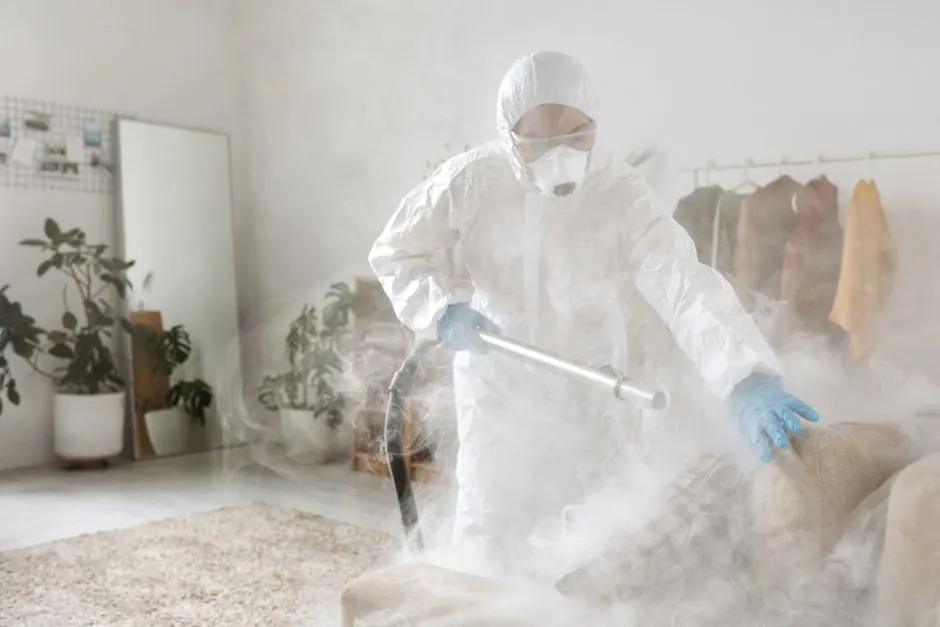
Mold removal after water damage is essential to prevent health risks and further property damage. The process involves identifying the affected areas, removing the mold, and ensuring that moisture is eliminated to prevent recurrence. This article covers effective steps for mold removal in Roswell, Georgia, and when to seek professional help.
Mold removal is a critical process that involves eliminating mold growth from surfaces and materials after water damage occurs. Mold thrives in damp environments, making timely intervention vital for maintaining a safe living space.
How does mold develop after water damage?
Mold can develop within 24 to 48 hours after water damage occurs. In Roswell, where humidity levels can be high, this rapid growth can lead to significant issues if not addressed promptly. Common sources of water damage include:
- Leaking roofs
- Broken pipes
- Flooding from heavy rains
- High humidity levels in bathrooms and kitchens
Once moisture is present, mold spores in the air settle on surfaces and begin to grow. The presence of organic materials like wood, drywall, and fabrics further facilitates mold growth.
Steps to remove mold effectively
Removing mold effectively involves several steps to ensure thorough cleanup and prevention of future growth. Here's a detailed process to follow:
- Identify the source of moisture: Before starting mold removal, it's crucial to identify and fix the source of water damage. This could involve repairing leaks, improving ventilation, or using dehumidifiers.
- Protect yourself: Wear protective gear such as gloves, goggles, and a mask to avoid inhaling mold spores. This is especially important in enclosed spaces.
- Contain the affected area: Seal off the area to prevent mold spores from spreading. Use plastic sheeting to cover doorways and vents.
- Remove contaminated materials: Dispose of any materials that cannot be cleaned, such as carpets, insulation, or drywall that have been severely affected.
- Clean surfaces: Use a mixture of water and detergent to scrub mold off hard surfaces. For tougher mold, a solution of one cup of bleach to one gallon of water can be effective. Always ensure proper ventilation when using bleach.
- Dry the area: After cleaning, dry the area thoroughly. Use fans, dehumidifiers, or heaters to reduce moisture levels. This step is crucial to prevent mold from returning.
- Monitor for recurrence: Keep an eye on the area for any signs of mold returning. Regular inspections can help catch any new growth early.
For extensive mold problems, consider hiring mold remediation experts roswell GA who can provide specialized equipment and expertise.
Common mistakes during mold removal
Many homeowners make mistakes during the mold removal process that can lead to ineffective cleanup. Here are some common pitfalls:
- Ignoring the source of moisture: Failing to address the underlying cause of water damage can lead to mold returning.
- Not using protective gear: Skipping protective equipment can expose you to harmful spores.
- Inadequate drying: Not thoroughly drying the area can create a breeding ground for mold.
- Using improper cleaning solutions: Some cleaning agents may not effectively kill mold, allowing it to regrow.
Being aware of these mistakes can help you take a more effective approach to mold removal.
When to call a professional
Determining when to hire a professional for mold removal is crucial, especially if the affected area is extensive or if you have health concerns. If you notice mold covering more than 10 square feet, it's advisable to contact experts. Additionally, if you experience respiratory issues or allergies related to mold exposure, seeking professional help is essential.
Roswell Water Restoration offers comprehensive mold removal services in roswell to ensure your home is safe and free from mold.
Frequently Asked Questions
1. How long does it take to remove mold? Mold removal can take anywhere from a few hours to several days, depending on the extent of the damage and the size of the affected area.
2. Can I remove mold myself? Yes, small amounts of mold can be removed using proper cleaning techniques. However, for larger infestations, it's best to consult professionals.
3. What are the health risks associated with mold? Mold can cause respiratory issues, allergic reactions, and other health problems, particularly in vulnerable individuals.
4. How can I prevent mold from returning? Ensure proper ventilation, fix leaks promptly, and use dehumidifiers in damp areas to prevent mold growth.
5. Is mold removal covered by insurance? Coverage can vary by policy. It's best to check with your insurance provider to understand your coverage for mold removal.